Narrow Victorian staircases in St Johns flats: moving fixes
Posted on 10/06/2026
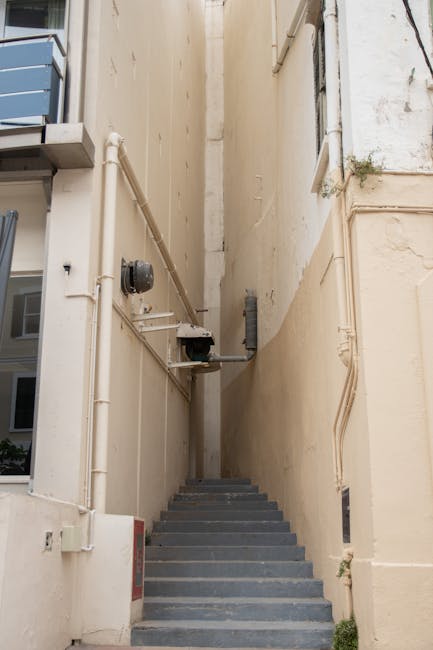
Narrow Victorian staircases in St Johns flats: moving fixes that actually work
If you have ever stood at the bottom of a Victorian stairwell in St Johns and thought, "How on earth is that sofa getting up there?", you are not alone. Narrow Victorian staircases in St Johns flats: moving fixes are a real-world problem, not a niche annoyance. The mix of tight turns, steep steps, awkward landings, low banisters, and older flat layouts can turn a simple move into a slow, sweaty puzzle. The good news? With the right prep, the right order of operations, and a few tried-and-tested moving fixes, it is usually manageable.
This guide explains what makes these staircases so tricky, how movers work around them, what to do before move day, and when to call in help. You will also find a practical checklist, a comparison table, and the mistakes that tend to cause the most bother. Let's make the job feel less like a gamble and more like a plan.
Why Narrow Victorian staircases in St Johns flats: moving fixes Matters
Victorian flats often have charm in the places that matter to buyers and renters: high ceilings, original details, solid walls, and a bit of character. But that charm can come with practical headaches. Staircases were not designed around modern wardrobes, superking mattresses, wide appliances, or today's boxy flat-pack furniture. In St Johns, where flat conversions and older buildings are common, the stairwell is often the first thing that decides whether a move feels smooth or slightly chaotic.
The issue is not only width. It is the combination of narrow treads, turns that interrupt momentum, and landings that give you barely enough room to pivot. Add in handrails, overhead light fittings, and the occasional scuffed wall, and you have a route that punishes any rushed decision. That is why planning matters more here than in a newer block with a lift and a generous hallway.
To be fair, many people assume they can just "angle it a bit" and carry on. Sometimes that works for a chair or a small desk. For bigger items, though, that approach can lead to damaged plaster, strained backs, and a very awkward conversation with a landlord or neighbour. If you want a calmer move, the staircase has to be treated like part of the job, not a minor obstacle.
A well-managed stair strategy also protects time. The more you protect the route, the fewer false starts you get. And in a busy local move, that makes a real difference. A half-hour of planning can save a whole afternoon of faffing about in the hallway.
If you are trying to keep the wider move under control, it can help to think in terms of the whole process: declutter early, pack in a way that suits the route, and reduce heavy lifting where possible. Our guide on practical decluttering for a more manageable move is a useful companion read before you start boxing things up.
How Narrow Victorian staircases in St Johns flats: moving fixes Works
The basic principle is simple: you make the item smaller, lighter, safer, or easier to manoeuvre. Usually, you do more than one of those things at once. Moving fixes for narrow Victorian staircases are not magic tricks. They are a sequence of practical adjustments that reduce risk and improve control.
1) Measure the route before you move anything
Start with the stairs, not the furniture. Measure the width at the narrowest point, the depth of the tread, the height of the ceiling on the turn, and the size of the landing. That tells you whether a piece can turn upright, needs to be carried on edge, or should be disassembled. It also helps you spot the items most likely to cause problems. A wardrobe may clear the width but fail at the turn. A sofa may fit overall but catch on the banister.
2) Match each item to the route
Once you know the measurements, match every larger item to the route it needs to take. Beds, mattresses, sofas, dining tables, and white goods should be checked first. For anything bulky or fragile, ask whether it can be taken apart, tilted, or protected with extra wrapping. This is especially useful for moves where the flat is above ground level and the staircase is the only practical access.
3) Reduce the size of the load
Disassembly is one of the best fixes. Remove bed frames, table legs, drawers, shelves, detachable arms, and glass panels where possible. Keep screws and fittings in clearly labelled bags. This sounds obvious until you are standing in a hallway at 8:30 in the evening looking for a tiny hex key. Been there, unfortunately.
4) Improve grip and protection
Furniture blankets, stretch wrap, corner protectors, and proper lifting gloves help both the item and the staircase. The goal is not just to avoid scratches. It is to improve grip, keep edges from snagging, and reduce the chance of a sudden slip on the turn. For a sofa move, a good protective wrap can make the difference between a smooth carry and a frustrating catch on the stair rail. If you are moving soft furniture into storage first, this sofa storage advice article is worth a look too.
5) Use the right carrying technique
On narrow stairs, control matters more than speed. A two-person carry is usually safer than trying to be heroic on your own. One person leads, one supports, and both keep communication short and clear. On steeper Victorian stairs, it is common to pause on the landing and reset the angle rather than forcing the item round in one movement. That little pause can save a lot of trouble.
6) Move in the right order
Heavy, awkward items should usually go first, while everyone is still fresh and the route is clear. Smaller boxes can follow later. If you start with lots of loose cartons, you will clutter the landing and make the staircase harder to use for the larger items. That is one of those mistakes that seems minor until it suddenly is not.
Key Benefits and Practical Advantages
The real benefit of a good staircase moving fix is not just "getting stuff upstairs." It is getting the job done without damage, delay, or drama. That sounds a bit grand, but in a narrow stairwell the small gains really do stack up.
- Less risk of wall and banister damage: Controlled angles and better wrapping keep furniture from scraping along paintwork and plaster.
- Lower injury risk: Good technique and sensible load sizes reduce strain on shoulders, wrists, and lower back.
- Better time control: Fewer failed attempts mean fewer delays and less waiting around in the hallway.
- More confidence on move day: When everyone knows the plan, the move feels calmer. Not easy, but calmer.
- Better protection for large items: Beds, mattresses, wardrobes, and soft furnishings are less likely to be bent, twisted, or nicked.
There is also a mental benefit that people underestimate. Narrow stairs create pressure because every movement feels amplified. A scrape sounds louder. A wobble feels bigger. If you have already planned the route, split the load, and cleared the landing, you take away a lot of that stress before it has a chance to build.
For more general moving calm, our article on relocating without stress ties in neatly with the approach here.
Who This Is For and When It Makes Sense
This topic matters to more people than you might think. If you live in or are moving into a Victorian conversion in St Johns, you are probably in the target group already. But there are a few specific situations where these fixes become especially useful.
Flat movers and renters
If you are moving into or out of a top-floor flat, the staircase is often the main route. There may be no lift, no service corridor, and very little space to set things down. In that case, a staircase plan is not optional. It is the move.
Students with compact furniture
Students often move in and out with a mix of flat-pack pieces, desks, gaming chairs, mattresses, and storage boxes. The good news is that most of it is manageable. The bad news is that the combination of narrow steps and overpacked boxes can still catch people out. Our student removals St Johns page is useful if you are organising a smaller move with a tight timetable.
Families moving larger furniture
Families usually have more bulky items: beds, wardrobes, sofas, toy storage, and appliances. This is where disassembly, protective wrapping, and route planning really pay off. A flat with a gorgeous staircase and a beautiful arched hallway can still be a pain if the armchair is too wide for the turn.
Older residents or anyone avoiding heavy lifting
Sometimes the issue is not the staircase itself but the physical strain. If you would rather avoid repeated carrying up steep steps, then a lighter-load approach makes sense. For practical lifting guidance, the piece on solo heavy object lifting strategies explains why technique matters so much.
Anyone moving awkward items
Pianos, large mirrors, sofas, American-style fridge freezers, and mattress bases often need a specialist plan. If an item is expensive, awkward, or sentimental, the staircase should be treated as a risk point, not a nuisance. Our article on why moving a piano yourself is a mistake you can avoid makes the point very clearly.
Step-by-Step Guidance
Here is the practical part. If you want a straightforward sequence you can follow, use this.
- Walk the route first. Start at the pavement or front entrance and follow the exact path to the flat. Note narrow points, awkward bends, low ceilings, and anything that swings open into the route.
- Measure the bulky items. Width, height, depth, and diagonal length all matter. A piece that looks "almost fine" can still fail at the turn.
- Identify what can be dismantled. Bed frames, dining tables, shelving, and some sofas are easier once parts are removed.
- Pack by weight and room. Keep boxes light enough to carry on stairs. Heavy books in one box are a classic mistake. Cute in theory, brutal in practice.
- Protect the building. Use blankets, cardboard edge guards, and floor coverings where needed. This helps with both damage prevention and neighbour relations.
- Assign roles clearly. One person leads, one supports, and someone else should be free to open doors and spot obstacles.
- Carry one item at a time on the stairwell. Cramming the route makes accidents more likely. That is especially true on narrow turns.
- Pause at landings. Re-grip, re-angle, and communicate. Do not force a turn just because you are halfway there.
- Move the most difficult items first. Keep the staircase clear while everyone is fresh.
- Use storage as a pressure release valve. If an item will not fit safely today, store it and move it separately later. That is not failure. It is judgement.
If packing is part of the challenge, our packing hacks for a stress-free relocation article gives a few useful ideas for keeping boxes sensible and stair-friendly.
Expert Tips for Better Results
Experience tends to teach the same lesson over and over: narrow stairs reward calm, not force. A few small choices make the move easier than you would expect.
Tip 1: Keep boxes smaller than you think you need
People often overpack boxes because they want fewer trips. On Victorian stairs, the opposite is often better. Smaller, lighter boxes are easier to balance, easier to turn, and less tiring to carry. Fewer heroic boxes, more manageable ones.
Tip 2: Treat mattresses with extra care
Mattresses can fold awkwardly, catch on corners, and act like sails in a tight stairwell. Use proper protection and consider how the mattress bends around the turn. For more on this, see stress-free bed and mattress moving strategies.
Tip 3: Do not underestimate the landing
Landings are often the true bottleneck. They are where items need to turn, tilt, or pause. If the landing is cluttered, the whole process becomes harder. Keep it clear before anything heavy moves in.
Tip 4: Use communication that is short and consistent
Simple phrases work best: "stop," "lift," "tilt," "pause," "coming through." Long explanations halfway up the stairs are not ideal. A little blunt, maybe, but it works.

Tip 5: Check the weather and the surfaces
Rain, muddy shoes, and damp steps make everything worse. On a wet London day, even a short run from van to doorway can introduce risk. Lay down protection where necessary and avoid rushing through the threshold.
Tip 6: Put fragile items on a better route if possible
If there is an alternative path through a courtyard, rear access, or wider internal corridor, use it for mirrors, art, and other fragile pieces. If there is no better route, add padding and take your time. It is not fancy; it is just sensible.

Common Mistakes to Avoid
Most problems with narrow Victorian staircases come from a short list of mistakes. The good news is that they are preventable.
- Skipping measurements: Guessing the fit is one of the quickest ways to waste time.
- Overpacking boxes: Heavy boxes become dangerous on stairs very quickly.
- Forcing large furniture around turns: This is how walls get marked and tempers fray.
- Forgetting to protect the route: A small scratch on a bannister can become a bigger issue than the move itself.
- Trying to rush a two-person carry: Speed and narrow stairs do not mix well.
- Ignoring the landing size: The staircase may be wide enough, but the turn may not be.
- Leaving dismantled parts unlabeled: Reassembly gets messy, and no one enjoys hunting for fittings later.
One more thing: do not assume every item must go up the stairs in one piece. Sometimes a partial dismantle is the difference between a clean lift and a hard stop halfway up. A little inconvenience now often saves a lot of stress later. That is just the truth of it.
If your move involves trying to fit a large item through a tight access point, this guide to narrow shopfront moving tips is surprisingly relevant because the same thinking applies: plan the route, reduce the size, and protect the edges.
Tools, Resources and Recommendations
You do not need a truckload of specialist kit, but the right few items make a noticeable difference.
| Tool or resource | What it helps with | Why it matters on narrow stairs |
|---|---|---|
| Furniture blankets | Protecting edges and finishes | Reduces scuffs on walls, railings, and door frames |
| Stretch wrap | Keeping drawers, doors, and cushions secure | Stops parts shifting mid-carry |
| Lifting gloves | Grip and hand protection | Helps on awkward, slippery or heavy items |
| Furniture sliders | Moving items over short flat sections | Useful before and after the staircase section |
| Ratchet straps or tie-downs | Securing items in the vehicle | Prevents repeat handling after the hard part is done |
| Labelled bags for fittings | Reassembly and organisation | Stops tiny screws disappearing into the void |
Beyond the kit, the most useful resources are usually the ones that help you plan the whole move. If you want a broader look at moving options, the services overview page can help frame what kind of help you might need. For flat-specific moving support, the flat removals St Johns page is particularly relevant. And if you are comparing transport options, you may also want to review man with a van in St Johns, man and van St Johns, and removal van St Johns to understand the practical differences.
For awkward or valuable items, it is worth considering a specialist approach rather than trying to improvise. The piano removals St Johns service page is a good example of the sort of tailored handling that some items genuinely need.
Law, Compliance, Standards, or Best Practice
This kind of move does not usually involve complex legal rules, but there are sensible UK best practices worth keeping in mind. In a shared building, you should avoid blocking communal hallways or fire routes, and you should be careful not to damage common parts such as bannisters, walls, or entrance doors. If your flat is in a managed building, the lease or building rules may also require notice for move days or the use of protective coverings. Those details vary, so it is always worth checking the building arrangements in advance.
From a safety perspective, good manual handling practice is the main standard to respect. That means not lifting beyond your ability, keeping the load close to the body where possible, avoiding twist-and-carry movements on stairs, and using help for awkward or heavy objects. If a move feels unsafe, it probably is. No prize for pushing through it.
Insurance is another sensible consideration. If you are hiring help, ask what is covered and what the terms are. The details matter, especially where stairs, older interiors, and valuable furniture are involved. For a plain-English overview of how safety and cover are handled, see insurance and safety.
Best practice also includes honesty about limits. If a sofa will not make the turn without damage, it should be adapted, dismantled, or moved another way. If a fridge is too heavy for the staircase, do not make the staircase prove a point. That is how small jobs become expensive ones.
Options, Methods, or Comparison Table
Not every staircase move needs the same solution. The right choice depends on the item, the access, and how much risk you are willing to take on.
| Method | Best for | Pros | Watch out for |
|---|---|---|---|
| Manual carry with two people | Most medium-sized furniture | Flexible, relatively low cost, good control | Still physically demanding; needs coordination |
| Disassembly before carrying | Beds, tables, shelving, some wardrobes | Makes awkward items much easier to move | Requires tools and careful labelling |
| Specialist handling or removals support | Pianos, large sofas, fragile or heavy items | Reduces risk and stress | May cost more than a simple self-move |
| Temporary storage before final placement | Items that do not fit the staircase safely on the day | Gives breathing room and reduces pressure | Needs an extra step in the plan |
In many real moves, the answer is a combination rather than a single method. A bed may be disassembled, a wardrobe carried in sections, and a mattress wrapped and moved upright. That mix is often more practical than forcing every item through the same route.
If you are deciding between moving everything at once or breaking the process into stages, the storage in St Johns option can be surprisingly helpful. It gives you space to move the hardest items separately instead of crowding the staircase all day.
Case Study or Real-World Example
A fairly typical St Johns flat move might look like this: a second-floor Victorian conversion, a narrow staircase with one tight turn, and a mix of a bed frame, mattress, sofa, two bookcases, and about twenty boxes. Nothing outrageous. Just enough to get awkward if nobody plans ahead.
In a case like that, the best outcome usually comes from splitting the move into stages. The bed frame is dismantled first, the mattress is wrapped and carried upright, the bookcases are emptied before moving, and the sofa is checked against the staircase before anyone starts lifting. If the sofa is borderline, the team may decide to remove the legs and take the cushions separately.
What tends to happen when people do it well is almost boring, which is perfect. The landing stays clear. The turn is handled slowly. The van is loaded in a sensible order. There is a bit of breathless concentration, a few "watch the left side" comments, and then the item is through. No drama. Just movement.
What tends to happen when people do it badly is less funny. Someone tries to carry too much at once. A corner catches the wall. The item has to be lowered back down. Everyone gets frustrated. The stairs, as ever, win the argument.
A local detail that often matters in St Johns is access timing. If there is limited parking or a tight street outside, the move may need a short, efficient loading window. That is why some people benefit from same-day help, especially if the route inside the building is already difficult. If that sounds familiar, the same-day removals in St Johns guide gives a good feel for the pace and planning involved.
Practical Checklist
Use this before move day. It is simple, but it saves headaches.
- Measure the narrowest points on the staircase and landing.
- Check every large item for disassembly options.
- Empty drawers, shelves, and cupboards before moving furniture.
- Pack heavy items into smaller boxes.
- Label all parts, screws, and fittings clearly.
- Protect walls, bannisters, and door frames.
- Wear footwear with good grip.
- Assign a lead mover and a spotter.
- Clear the stairwell and landing of clutter.
- Plan where oversized items will go if they need temporary storage.
- Check building rules if you are in a managed block.
- Keep phones charged and communication simple.
And, honestly, give yourself enough time. Rushing a narrow stair move is usually where people get into trouble. A calmer pace is not laziness. It is strategy.
Conclusion
Narrow Victorian staircases in St Johns flats are part of the local moving landscape, and they need a practical response. The best fixes are rarely dramatic. They are simple things done well: measure the route, reduce the load, protect the building, communicate clearly, and choose the right level of help for the job. That combination saves time, reduces stress, and protects the things you have worked hard to own.
If you are facing a tricky flat move, start with the staircase rather than hoping it will sort itself out on the day. It probably will not. But with the right plan, it absolutely can be handled.
Get a free quote today and see how much you can save.